Assistant Pen: A Natural Handwritten Font for Modern Design
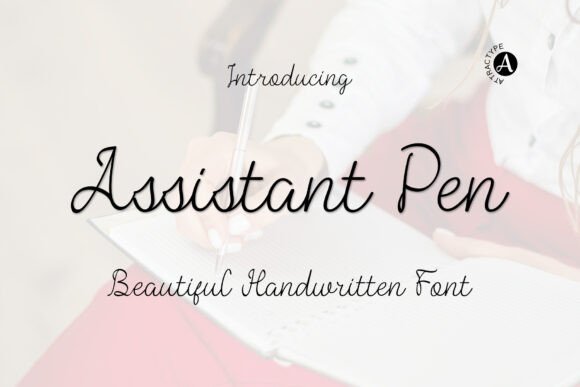
In a digital world saturated with sterile interfaces and uniform typefaces, a touch of authentic human expression can be the key to capturing attention and building connection. This is where a resource like Assistant Pen proves its value, offering designers a beautiful, simple, and clean natural handwritten font that bridges the gap between personal touch and professional polish.
More than just a script, Assistant Pen is a versatile design asset crafted for clarity and style. Its carefully balanced letterforms avoid the overly decorative or illegible extremes that can plague handwritten fonts, making it a reliable choice for projects where readability and aesthetic appeal are equally important. For graphic designers, marketers, and creators, understanding how to leverage such a font can significantly elevate the quality of visual communication.
The Role of Authentic Typography in Visual Design
Typography is a fundamental pillar of brand identity and user experience. While sans-serifs and serifs form the backbone of most design systems, integrating a handwritten element strategically can inject warmth, personality, and a sense of craftsmanship. Assistant Pen excels in this role because its simplicity ensures it complements rather than competes with other visual elements. It supports a strong visual hierarchy by providing a distinct, yet harmonious, textural contrast to body copy or headlines set in more traditional typefaces.
Effective use of such a font goes beyond mere decoration; it’s about enhancing meaning. The casual elegance of Assistant Pen can make a message feel more personal, approachable, and trustworthy. This psychological impact is crucial for applications where building an emotional connection with the audience is a primary goal.
Practical Applications Across Creative Projects
The true strength of Assistant Pen lies in its adaptability. Its clean style makes it suitable for a wide array of design contexts, ensuring brand consistency across multiple touchpoints. Consider these practical applications where it can make a significant impact:
- Branding and Logo Design: Use it for logotypes, brand marks, or secondary branding elements to convey a bespoke, artisanal quality. It’s particularly effective for lifestyle brands, boutique studios, and personal services.
- Marketing Materials: Enhance brochures, flyers, and advertisements with compelling quotes, call-to-action phrases, or stylized headers that draw the eye and create a memorable impression.
- Social Media Content: Create engaging graphics for Instagram, Pinterest, or Facebook. Its legibility at various sizes makes it perfect for quotes, testimonial graphics, and promotional announcements that stand out in a crowded feed.
- Web and UI Design: Thoughtfully integrate it into website hero sections, landing page headlines, or button text to add a unique flair that improves user engagement without sacrificing functionality.
- Editorial and Print Design: Elevate magazine layouts, book covers, and greeting cards. It brings a sophisticated, personal touch to titles, pull quotes, and special text elements in certificates or invitations.
- Packaging and Merchandise: Apply it to product labels, tags, and branded merchandise to create a cohesive and premium unboxing experience that resonates with customers.
Tips for Effective Implementation
Integrating a font like Assistant Pen into your design workflow requires thoughtful consideration to maximize its impact and maintain professionalism. Always begin by evaluating it against your project's core objectives and audience expectations.
- Prioritize Readability and Scalability: Test the font at the sizes it will be used. Ensure it remains legible on both large displays and small mobile screens. For body text, it’s generally best reserved for short phrases or accents.
- Maintain Visual Harmony: Pair it with a clean, neutral font for body copy to create a balanced composition. The handwritten style should accentuate, not overwhelm, the overall design layout.
- Ensure Brand Consistency: If using it as part of a brand identity, document its usage rules. Define its role—whether for headlines, quotes, or specific accents—to ensure consistency across all marketing materials and digital platforms.
- Leverage Color and Composition: The font’s effectiveness is amplified by its context. Use it within a thoughtful color palette and with strong compositional principles to guide the viewer’s eye and reinforce the intended message.
Ultimately, selecting the right creative assets is about finding tools that solve specific design challenges and enhance your creative vision. A resource like Assistant Pen offers a solution for adding human warmth and stylistic elegance with reliability. By making intentional, informed typography choices, designers and creators can craft more compelling narratives, build stronger brand identities, and deliver polished, professional results that truly resonate with their audience.