Shatoryu: Elevating Design with Elegant Script
In the dynamic world of graphic design, the choice of typography can make or break a visual narrative. For designers seeking a typeface that combines artistic flair with deep personal meaning, Shatoryu emerges as a compelling solution. This unique style of writing, characterized by its elegant, flowing lines, is not merely a font but a complete visual language. It masterfully blends traditional calligraphic grace with modern aesthetics, making it an invaluable asset for projects that demand both beauty and emotional resonance. Whether for branding, editorial work, or digital interfaces, Shatoryu offers a path to creating truly distinctive and impactful designs.
The Anatomy of Shatoryu Tattoo Script
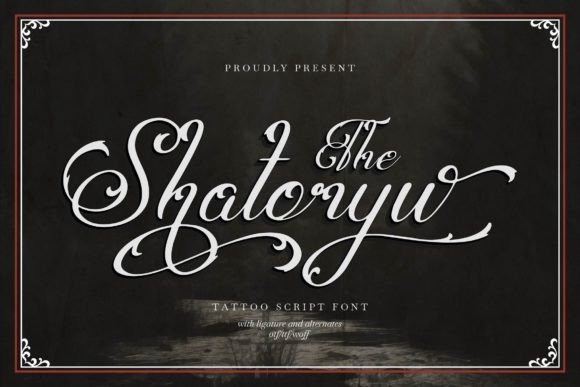
At its core, Shatoryu is defined by its meticulous craftsmanship. Each letter is carefully crafted to ensure fluidity and connection, creating a sense of continuous movement across the page or screen. This style transcends simple lettering; it is a form of visual artistry that captures meaningful messages, names, or concepts with stunning clarity. The script’s strength lies in its versatility—it can evoke a sense of timeless tradition or contemporary sophistication, depending on its application and context within a broader design system.
Why This Script Matters in Modern Design
In an era saturated with generic sans-serifs and overused serifs, a distinctive typographic voice is a powerful differentiator. Shatoryu provides exactly that. Its unique character helps brands and creators stand out, fostering a stronger brand identity and improving user engagement. When a viewer encounters this script, it commands attention and invites closer inspection, effectively guiding the eye and enhancing the overall visual hierarchy of a composition. This makes it a potent tool for anyone looking to improve communication and leave a lasting impression.
Practical Applications Across Creative Projects
The utility of a well-chosen script like Shatoryu extends far beyond personal tattoo art. Its aesthetic properties make it suitable for a wide range of professional applications where a touch of elegance and personality is required.
- Branding and Logo Design: Use Shatoryu to create logotypes for luxury brands, boutique agencies, artisanal products, or personal brands that value craftsmanship and authenticity.
- Marketing Materials: Elevate brochures, invitations, and premium packaging design. Its flowing nature adds a tactile, high-quality feel to print design.
- Social Media Content: Craft eye-catching headers, quotes, or campaign slogans that stop the scroll and boost engagement on platforms like Instagram and Pinterest.
- Website and UI Design: Apply it selectively for hero sections, pull quotes, or navigation accents in web design to add personality without compromising UX design principles. Ensure readability remains paramount.
- Editorial Layouts: Enhance magazine features, book covers, or digital publications with elegant drop caps or chapter titles that set a sophisticated tone.
- Advertising Campaigns: Create memorable headlines for posters, digital ads, or video overlays that communicate a message of luxury, creativity, or personal touch.
- Presentations and Digital Products: Design standout title slides for presentations or add a unique aesthetic to digital products like planners, wallpapers, or online course materials.
Integrating Shatoryu Effectively: Tips for Designers
Successfully incorporating a script font like Shatoryu requires thoughtful consideration to maintain design integrity and effectiveness. Here are key factors to evaluate:
- Readability vs. Aesthetics: Always test the script at various sizes. For body text or UI elements, prioritize legibility. Use it for display text, short phrases, or as an accent where its artistry can shine without hindering comprehension.
- Visual Hierarchy and Pairing: Shatoryu works best as a focal point. Pair it with a clean, neutral typeface for body copy to create contrast and ensure a balanced visual hierarchy. This contrast prevents visual clutter and guides the viewer’s journey through the design.
- Context and Audience: Align the script’s use with your audience’s expectations and the project’s goals. A flowing script may be perfect for a wedding invitation but less suitable for a technical manual. Understanding the context ensures your design communicates the right message.
- Scalability and Format: Consider the final output. Ensure the script’s details render well in both large-scale print design and smaller digital formats. Vector-based versions offer the greatest flexibility for scaling without quality loss.
- Consistency in Brand Systems: If used as part of a brand identity, define strict guidelines for its application—specifying which elements (like logos, headlines) it can be used for and in what color palette—to maintain brand consistency across all touchpoints.
Thoughtful design choices are the foundation of effective visual communication. Selecting a creative asset like Shatoryu is not just about following a trend; it is about choosing a tool that enhances meaning, strengthens connection, and elevates the overall quality of your work. By integrating such unique and carefully crafted elements, designers and creators can ensure their projects are not only seen but truly felt, achieving a perfect blend of aesthetic appeal and functional clarity that resonates with any audience.