Donkey: The Handwritten Font for Modern Branding
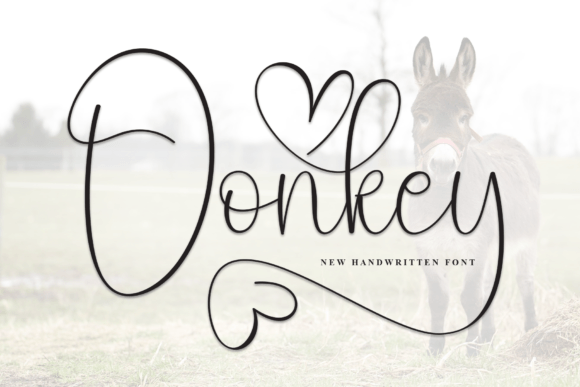
In a digital landscape saturated with uniformity, a touch of human warmth can make a design truly memorable. This is precisely the niche filled by the Donkey font, a modern and charming handwritten typeface that captures the effortless elegance of casual script. More than just letters, it’s a tool for infusing personality into projects, offering designers a way to bridge the gap between professional polish and approachable authenticity.
The Power of a Personal Touch in Visual Design
Effective visual communication hinges on emotional connection. While clean sans-serifs and authoritative serifs have their place, they can sometimes create a psychological distance. A font like Donkey, with its fluid, cohesive strokes and friendly appearance, actively works to shorten that distance. It mimics the natural irregularity of human handwriting, which subconsciously signals sincerity, creativity, and a personal touch. This makes it a powerful asset in a designer's toolkit for projects where building trust and rapport is the primary goal.
Practical Applications for Creative Projects
The versatility of a well-crafted handwritten font allows it to enhance a wide array of design applications. Its strength lies in adding a layer of personality without sacrificing clarity. Consider its impact across these common creative scenarios:
- Branding and Logo Design: Ideal for boutique brands, artisanal products, or personal blogs seeking a logo that feels unique and handcrafted.
- Marketing Materials: Elevates social media graphics, email headers, and digital ads with an authentic voice that cuts through the noise.
- Editorial and Web Design: Perfect for pull quotes, author names, or UI elements in apps and websites targeting creative or lifestyle audiences.
- Packaging Design: Adds a premium, artisanal quality to product labels, thank-you notes, and unboxing experiences.
- Invitations and Stationery: The natural choice for wedding suites, event invitations, and personal correspondence where elegance is key.
Integrating Typography into Your Design Workflow
Choosing the right font is only the first step; using it effectively is what separates good design from great. When incorporating a distinctive script like Donkey, thoughtful application is crucial to maintain visual hierarchy and readability. It functions best as an accent, not for body copy. Use it for headlines, subheadings, logos, or short phrases where its character can shine without overwhelming the viewer.
Always pair it with a clean, neutral typeface for longer text. This contrast creates a dynamic and balanced composition. For instance, combine Donkey with a simple geometric sans-serif for a modern, friendly aesthetic, or with a classic serif for a touch of traditional elegance. Furthermore, consider your color palette; a warm, earthy tone can enhance its handwritten feel, while a bold, contrasting color can make it pop in digital applications.
Evaluating Quality in Creative Assets
Not all fonts are created equal. When selecting any creative asset, including typography, professional designers evaluate several key factors to ensure it serves the project's goals:
- Consistency and Cohesion: Look for a font that maintains a consistent weight and style across all characters, even with its handwritten feel.
- Readability at Scale: Test the font at various sizes. It must remain legible whether used as a small footnote or a large headline.
- Character Set and OpenType Features: A robust font includes extended Latin characters, punctuation, and stylistic alternates or ligatures that offer creative flexibility.
- Compatibility: Ensure the font file is compatible with your design software and has appropriate licensing for your intended use, whether for digital marketing or print design.
Ultimately, the choice of typography is a fundamental component of your brand's visual language. A typeface like Donkey offers more than aesthetic appeal; it provides a strategic tool for shaping perception and enhancing user engagement. By making deliberate, informed decisions about every design element—from the curve of a letter to the harmony of a color scheme—you build a cohesive and professional presentation that resonates deeply with your audience. Quality creative assets are investments that pay dividends in clarity, connection, and overall design excellence.